Emergency measures for blocking pipes in pneumatic conveying of white carbon black
The occurrence of pipe blockage during the pneumatic conveying process of white carbon black is a problem that requires rapid response. Here are some emergency measures:
1、 Immediately stop the machine for inspection
Shutdown: Once blockage is detected, the pneumatic conveying system should be immediately stopped to prevent further damage to the equipment or exacerbation of the blockage.
Inspection: Conduct a comprehensive inspection of the conveying pipeline to determine the specific location and cause of blockage. During inspection, tools such as pressure gauges and air sweep lines can be used to assist in positioning.
2、 Clearing blockages
Blow air dredging: For pressure conveying devices, the blow air pipeline with a shut-off valve can be opened, and compressed air can be blown in sequence to blow through the blocked layer in sections. For negative pressure pneumatic conveying, an adjustable aperture plug can be opened at the easily clogged area to allow air to enter and blow through the blockage.
Physical dredging: If the blowing dredging effect is not good, special dredging tools or equipment such as steel brush balls, dred
3、 Adjust process parameters
Optimize airflow speed: Adjust the airflow speed according to the characteristics of the material and the actual situation of the conveying pipeline to avoid blockage caused by too fast or too slow speed.
Adjust mixing ratio: For materials with poor fluidity, lower the mixing ratio appropriately to reduce the risk of blockage.
4、 Check and improve the conveying system
Check pipeline design: Ensure that the pipeline design is reasonable, avoid excessive bends and sudden changes in pipe diameter to reduce airflow resistance.
Check the gas supply system: Ensure that the mechanical performance of the gas source is good, the gas volume is sufficient, and the pressure is stable. At the same time, check whether the gas storage tank and gas water separator are working properly and promptly remove any moisture from them.
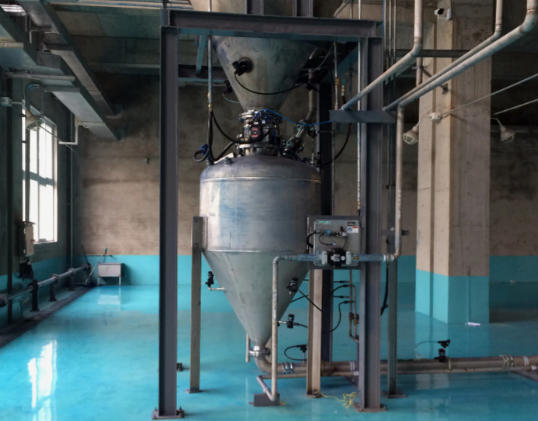
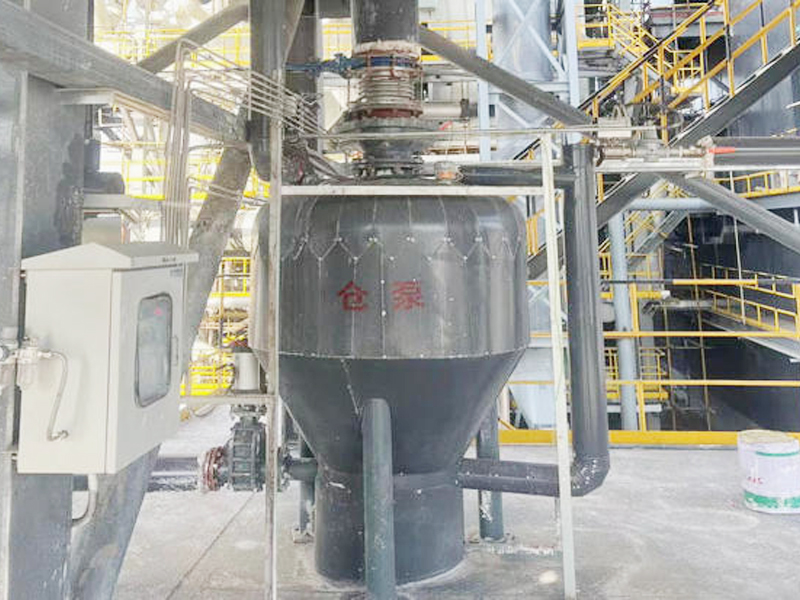
Check the sending tank: Ensure that the design of the sending tank is reasonable, the size of the discharge port is appropriate, the taper is sufficient, and the wall surface is smooth to reduce the possibility of blockage.
5、 Strengthen daily maintenance and upkeep
Regular cleaning: Regularly clean equipment such as conveying pipelines and sending tanks to prevent material residue from causing blockages.
Check equipment status: Regularly inspect the equipment, pipelines, control components, etc. of the pneumatic conveying system, and promptly handle and repair any abnormal phenomena.
Strengthen operational training: Train operators to improve their operational skills and ability to respond to unexpected situations.
6、 Other emergency measures
Backup plan: Develop a backup transportation plan that can quickly switch to the backup plan in case of a malfunction or blockage in the main transportation system, ensuring that production is not affected.
Contact a professional team: If the blockage problem is difficult to solve, you should promptly contact a professional pneumatic conveying team or supplier to seek technical support and assistance.
BROWSE: